


What is Revenue Cycle Management (RCM) in Healthcare?
Healthcare organizations are functioning in a complicated financial environment, where the smallest billing mistake may cost an organization a lot of money. This is why it is essential to learn “what is RCM in healthcare” for the providers, administrators, and owners of practices. Revenue Cycle Management (RCM) has a direct influence on cash flow, compliance, and patient satisfaction.
The Healthcare Financial Management Association (HFMA) indicates that inefficient processes in the revenue cycle may cost healthcare providers up to 5% of net patient revenue per year. Moreover, the American Hospital Association (AHA) reports that hospitals spend more than 40% of their budgets on compliance and administrative operations.
Let’s discuss the revenue cycle in healthcare, why it is important, how it functions, and how healthcare organizations can streamline it to achieve long-term financial stability.
Define RCM in Healthcare
Revenue Cycle Management (RCM) is the term that describes financial procedures followed by healthcare organizations, starting with appointment bookings and ending with payment collection. In plain language, the meaning of RCM Healthcare is how the providers are paid to render their services to patients.
RCM integrates clinical and administrative data to manage:
- Patient registration
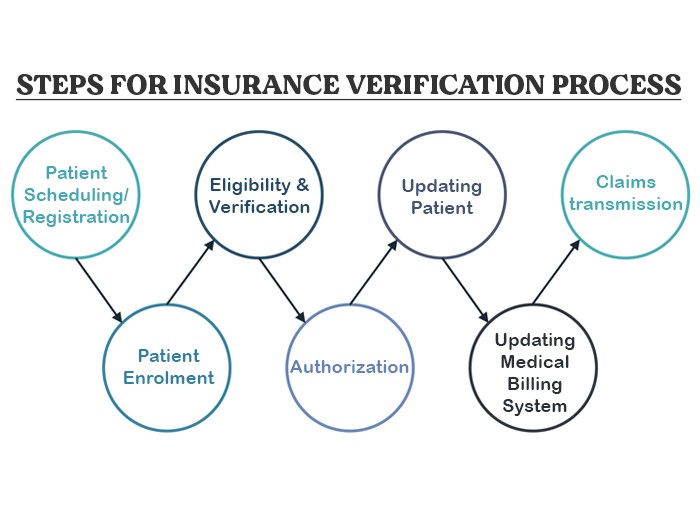
- Insurance eligibility verification
- Medical coding
- Claims submission
- Payment posting
- Denial management
- Accounts receivable follow-ups
NIH states that revenue cycle management (RCM) tracks the payment process from patient scheduling through treatment, coding, billing, and reimbursement. In the absence of a well-organized RCM process, practices face sluggish reimbursements, high rates of denials, and disruptions to the cash flow.
Why Is RCM Important in Healthcare?
To know rcm in medical billing, it is also necessary to discuss the necessity of RCM. Let’s discuss.
Reduces Claim Denials
The 2023 Change Healthcare Denials Index reports that denial rates have increased from 6–10% to 10–15% over the past ten years. It costs $25 to $50 per claim to rework the denied medical claims. This contributes to a massive loss of revenues.
A successful RCM will reduce the denial rates by ensuring proper documentation, coding, and active follow-ups.
Improves Cash Flow
According to the Medical Group Management Association (MGMA), the medical practice has an average of 32-40 days of accounts receivable (A/R). An effective RCM plan shortens the A/R days and shortens the reimbursement periods.
Improves Patient Experience
The current patients demand price transparency and efficient billing. Experian Health conducted a study that revealed that 93 percent of patients would like to know how much they would be required to pay prior to treatment. RCM systems deliver initial cost estimates and payment flexibility, which enhances satisfaction.
Guarantees Regulatory Compliance
The laws regarding healthcare billing vary often. Effective RCM procedures assist in keeping practices in line with CMS, HIPAA, and payer plans to minimize the audit risk and fines.
You should aim for industry-standard values as stated below in the table for a better RCM cycle.
| Key Factors | Target value |
| Clean Claim Rate | >95% |
| Days in A/R | <35 days |
| Net Collection Rate | (>96% |
| Denial Rate | <5% |
| Cost to Collection | <5% of collections |
How Does RCM Work in Healthcare?
To have a complete picture of the revenue cycle in healthcare, you will need to analyze its step-by-step workflow.
1. Scheduling of Patients and Pre-Registration
The process of the revenue cycle starts prior to the patient entering the facility. Employees gather demographic data and insurance information to check eligibility. Early verification eliminates downstream denial and minimizes claim rework.
2. Medical Coding and Charge Capture
Certified coders translate documentation into ICD-10, CPT, and HCPCS codes. Proper reimbursement and compliance are ensured by accurate coding. According to the American Academy of Professional Coders (AAPC), the cost of the error in coding can be worth dollars every year through undercoding or overcoding.
3. Claims Submission
Clean claims are submitted by billing teams to the insurance payers. Electronic claim submissions are more efficient with a lower rejection rate.
4. Payment Posting
The system receives payment after the claims are processed by the insurers. Adjustments, co-pays, and deductibles are documented. Proper posting enables the financial departments to spot discrepancies and underpayments in time.
5. Denial Management
Claims that are denied should be handled urgently. The teams review denial codes, fix errors, and re-file claims in a timely fashion. Denial management helps a great deal in recovering revenue.
6. Patient Collections
When there are balances left after insurance payments, the billing teams receive the payments from patients following systematic follow-up procedures and payment schemes.
What Are the Key Components of RCM?
When discussing revenue cycle management in healthcare, it is important to highlight its core components.
| RCM Component | Purpose | Impact on Revenue |
| Eligibility Verification | Confirms insurance coverage | Reduces front-end denials |
| Coding & Documentation | Ensures compliance and accuracy | Prevents underpayments |
| Claims Management | Submits clean claims | Accelerates reimbursement |
| Denial Management | Appeals rejected claims | Recovers lost revenue |
| A/R Management | Tracks unpaid claims | Improves cash flow |
Each component works together to create a seamless revenue pipeline.
What Challenges Do Healthcare Providers Face in RCM?
Although it is important, a large number of organizations do not know how to optimize their revenue cycle.
Complex Payer Policies
The insurance rules are constantly altered. Compliance failure gives rise to rejections and loss of revenue.
Staffing Shortages
A shortage of workforce in the U.S. healthcare industry still exists. According to the American Hospital Association, the number of physicians in US hospitals may decline to up to 124,000 in 2033, and this has implications for billing processes and physician records.
Increasing Patient Financial Responsibility.
The high-deductible health plans make the patients more responsible. A lot of insured adults find it difficult to pay medical bills, which affects collections.
Technology Integration Problem
Lack of integration in the systems between EHR and billing software generates inefficiencies. Full-line RCM systems enhance coordination of operations.
How Can Healthcare Organizations Improve RCM Performance?
We are now aware of the importance of RCM in the healthcare sector, so we can discuss strategies for optimization.
- Automate Eligibility and Claims Scrubbing: Automation minimizes manual mistakes and enables clean claims submission. The industry standards indicate that the best-performing practices have a higher first-pass resolution rate.
- Invest in Staff Training: Constant training enhances the compliance awareness and accuracy of the code.
What Is the Future of RCM in Healthcare?
RCM continues to transform digitally.
- Predictive denial management is enhanced by artificial intelligence.
- Financial forecasting is improved with data analytics.
- The value-based care models change the reimbursement modes.
According to McKinsey and Company, the annual costs of administration in healthcare in the United States may be cut by half via automation and AI by as much as 360 billion dollars per year.
The adoption of innovative RCM solutions by organizations today places them in a stable position to grow sustainably in the future.
Conclusion
Healthcare organizations that outsource the RCM process indicate a positive revenue flow. Thus, several providers prefer to outsource revenue cycle services to specialized firms these days. If you own a practice, Capline Healthcare Management can help you transform your RCM process. You can book a consultation with us for an RCM audit.
Outsourcing guarantees expertise, lowers the overhead, and enhances financial results.
FAQs
1. What is the definition of RCM in healthcare?
RCM refers to the procedure followed by healthcare providers in the management of billing and payment between patient registration and the ultimate reimbursement.
2. What is the significance of RCM for medical practices?
RCM has the benefit of guaranteeing a smooth flow of cash, lessening claim denials, and keeping healthcare regulations on track.
3. How long does it take to receive payments?
The average healthcare practice has between 30 and 40 days of accounts receivable based on efficiency and payer mix.
4. Will outsourcing RCM increase revenue?
Yes. Research indicates that RCM outsourcing is capable of increasing the collection rates and decreasing the percentage of denials within a year.