


Medicare Telehealth Coverage Extended Through 2027
For many practices, the biggest problem with medicare telehealth has not been patient demand. It has been changing the rules. Teams have had to keep adjusting scheduling, eligibility checks, billing steps, and patient communication each time a temporary extension was about to expire. That creates confusion, slows claims, and increases denials.
Telehealth is not fading out. In 2024, about 25% of Medicare fee-for-service patients still used telehealth. The extension through December 31, 2027, gives providers a longer window to keep these services going and improve billing consistency. This matters because a virtual visit does not help the practice much if the billing is weak and the claim does not get paid.
This matters because the real issue is not just whether a virtual visit can happen. The real issue is whether the visit is covered, documented correctly, coded correctly, and paid on time. Many provider groups still lose time and money on preventable mistakes such as poor eligibility checks, wrong visit setup, and incomplete records. This blog explains what the extension means, what medicare telehealth coverage includes, and what providers should do now to avoid payment delays.
Current status of Medicare telehealth coverage
Medicare telehealth coverage has been extended through December 31, 2027. This means many of the broader access rules remain in place for now.
In practical terms, many Medicare patients can still:
- Receive telehealth services from home
- Access telehealth without older geographic restrictions
- Use real-time video for covered services
- Receive certain services through audio-only communication when allowed
This extension gives providers short-term stability. At the same time, it also creates a clear deadline, because many non-behavioral telehealth flexibilities may change again after 2027.
What the medicare telehealth extension means
The Medicare telehealth extension keeps many of the current flexibilities in place through December 31, 2027. Patients can continue receiving many covered telehealth services from home, which makes care easier to access for people who have trouble traveling or do not live close to a provider.
This also gives practices more stability. Instead of dealing with sudden changes, they have more time to keep telehealth services running and improve the way those visits fit into daily operations.
The extension continues a broader list of eligible providers as well. Rural Health Clinics and Federally Qualified Health Centers can still provide certain non-behavioral telehealth services as distant site providers through 2027. Hospitals may also continue billing for some remote outpatient therapy, diabetes self-management training, and medical nutrition therapy services provided to patients in their homes.
Audio-only care also remains important. Some Medicare telehealth services can still be delivered without video through 2027. That is helpful for patients who do not use video technology easily or do not have dependable internet access.
Why medicare and telehealth still matter
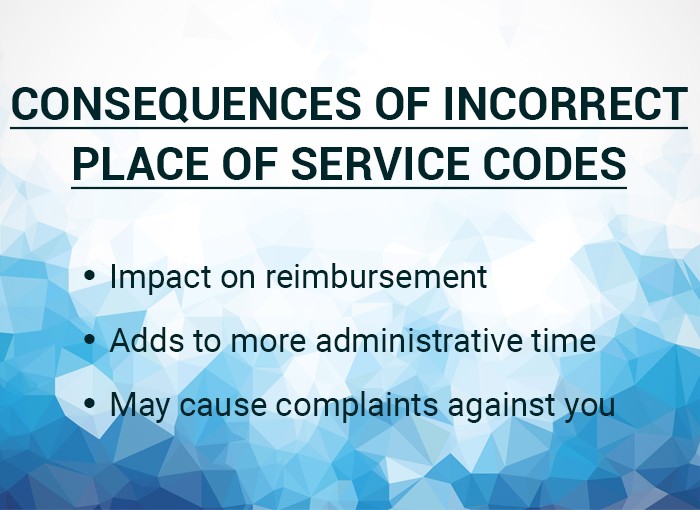
Telehealth is not just for emergencies anymore. It is a normal way to give care. Patients use it for follow ups, therapy, care planning, basic screenings, and other covered visits. Since telehealth is now routine, billing rules matter as much as the care itself. Even if the visit goes well, the practice can still lose money if coverage is not checked, the place of service is wrong, or the note does not clearly support a telehealth claim.
This longer extension gives practices room to plan. Instead of preparing for a near term cutoff, they can use the next stretch of time to improve front desk checks, standardize documentation, train staff, and clean up billing workflows. That matters because telehealth claims often fail for simple reasons, not complex ones. Small mistakes at the start of the process usually become bigger payment problems later.
Does medicare cover telehealth through 2027?
Yes. Medicare Part B covers some telehealth services through December 31, 2027, and patients can often get these visits from home or anywhere in the US. But not every virtual service is covered, so you should always check the service before you schedule it.
Most patients pay the normal Part B cost share. After they meet the Part B deductible, they usually pay 20% of the Medicare approved amount.
Also, Medicare Advantage plans can have different telehealth benefits than Original Medicare. So do not treat every Medicare patient the same. The safest step is to verify coverage before the visit and bill based on what actually happened.
What providers should do now?
Verify coverage before the visit
Most telehealth denials can be avoided before the appointment even happens. Staff should verify active insurance, confirm the service is telehealth eligible, and note any special payer rules. When eligibility is strong, billing goes smoother and patient balances are easier to explain.
Use the correct visit setup
The claim should match the actual visit. Medicare uses place of service code 10 for telehealth provided in the patient’s home and place of service code 02 for telehealth provided other than in the patient’s home. A wrong location code can create billing issues even when the care itself was appropriate. This is a simple detail, but it matters.
Match the technology to the service
Some telehealth services can be delivered using audio only communication through 2027, while others depend on audio video technology. Practices should make sure the visit type, the technology used, and the billing details all line up. When the technology does not match the service requirements, payment risk goes up.
Keep documentation complete
Clear documentation still protects payment. The medical record should support the service that was delivered, the reason it was appropriate, and the way the visit was conducted. Good records also help if the claim is reviewed later. Incomplete or weak notes can turn a valid telehealth visit into a denied claim.
Train staff and review workflows
Telehealth rules may be more stable now, but they still need attention. Schedulers, front desk teams, billers, and clinical staff should all understand the basics of medicare telehealth coverage. A good workflow is not only about coding. It starts at scheduling and continues through claim submission and payment posting.
What may change after 2027
The extension is helpful, but it is not a permanent answer for every telehealth rule. Beginning January 1, 2028, many non-behavioral telehealth services may again face location and facility restrictions unless federal policy changes again. Some of the temporarily expanded practitioner flexibilities are also set to end at that point. Hospitals may also lose the temporary ability to bill patients for certain services furnished remotely by hospital staff.
At the same time, not every telehealth rule ends in 2028. Medicare behavioral and mental telehealth has stronger long-term protection. Home-based access for behavioral health and the removal of geographic restrictions for those services are permanent. Audio-only behavioral telehealth also remains available in certain situations.
Need help handling telehealth billing, eligibility checks, and claim accuracy with less confusion? Explore support options at Capline Healthcare Management. Connect with our experts to learn more about it.